
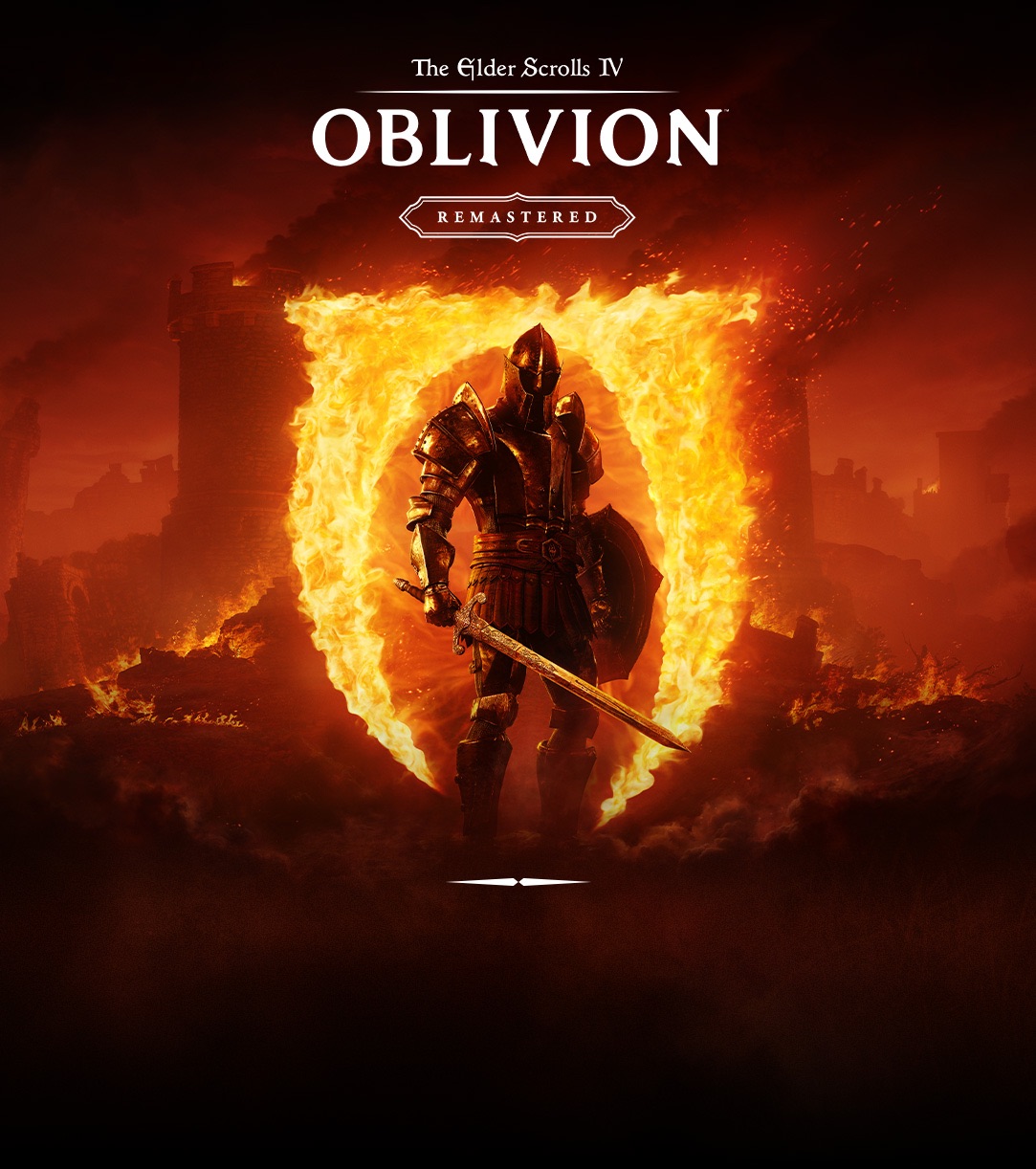

The Elder Scrolls series has always been worth every hour spent, especially for the lonesome dungeon crawler. But is this remaster truly worth its weight in drake, or is it just another overhyped return to nostalgia?
Bethesda is, without a doubt, my absolute favorite game studio. With franchises like Fallout, Elder Scrolls, DOOM, and Quake, they’ve been rightly honored and awarded for their worldbuilding and storytelling. Yet, for all the thrills their stories offer, Bethesda games have long been notorious for being graphically inferior to competing flagship titles or grossly riddled with bugs. Oblivion was no exception to either flaw.
When the original Oblivion launched in 2006, it was many players’ first real glimpse into the world of expansive fantasy role-playing, myself included. It wasn’t just a game; it was a gateway into a world that felt alive, teeming with stories waiting to be uncovered. From the rolling hills of Cyrodiil to the haunting depths of Ayleid ruins, Oblivion made an indelible mark on gaming history.
But now, nearly two decades later, the big question is: does Oblivion Remastered capture that same magic, or does it fumble trying to bottle lightning a second time?
Visually, the remaster is a massive leap forward. It far exceeds the original’s standards and even holds its own against many modern games. Yet for all the graphical polish, something vital feels missing. The world of Oblivion Remastered looks alive but often feels lifeless once you start talking to anyone.
Every NPC interaction feels like I’m talking to an Alexa. Dialogue is flat, mechanical, and robbed of any natural rhythm, made worse by bizarre, stiff facial animations that fail to express even basic emotion. Conversations that should feel urgent or heartfelt instead come across like a medieval customer service script. And the general AI doesn’t help. More often than not, I walk into empty towns only to find every NPC crammed into one building, like a bugged-out medieval rave. Worse still, creatures that should be lunging at me for blood decide to just… stare blankly as I loot their homes like a confident tax man on audit day.
The truth is, aside from a slicker coat of paint and a computer that threatens to go nuclear after ten minutes of gameplay, the experience feels almost unchanged. I didn’t expect a full remake but for $50, I expected more refinement, not just a polished direct copy-paste of the original script. Bethesda’s old excuse, “It’s not a bug, it’s a feature”, has gotten really tired, especially when fans have been waiting patiently for The Elder Scrolls VI (fingers crossed for 2026, if the rumors are true).
Oblivion originally dropped twenty years ago. I still remember seeing the full-page ads in my favorite gaming magazines, feeling that electric excitement. Since then, other remastered titles like the Spyro trilogy and Ratchet & Clank have shown the industry how it’s done by capturing nostalgia while actually improving the gameplay experience. Compared to them, Oblivion Remastered feels like a missed opportunity.
If I had to sum up my emotions on it: Bethesda confused immersion with quality and somehow missed both targets.
At least the Khajiit now look 1:1 like Ron Perlman, so there’s that.
Still, despite the disappointment, this remaster gives me something I’m grateful for: an excuse to step back into one of my favorite Elder Scrolls worlds all over again.
Final Thoughts:
Oblivion Remastered isn’t a bad game. It’s still the same sprawling, charming, broken, and beautiful world many of us fell in love with years ago. But if you’re a new player stepping into Cyrodiil for the first time, don’t expect a polished modern RPG. This remaster doesn’t fix Oblivion’s old problems, it just makes them prettier. For longtime fans, it’s a warm (if sometimes frustrating) trip down memory lane. For newcomers? Wait for a sale. It’s worth playing, but not at the premium price Bethesda’s asking.
 ImpChimp Art